
Ramadan blooms: Agricultural technologies enhance the abundance of local varieties at stable prices.
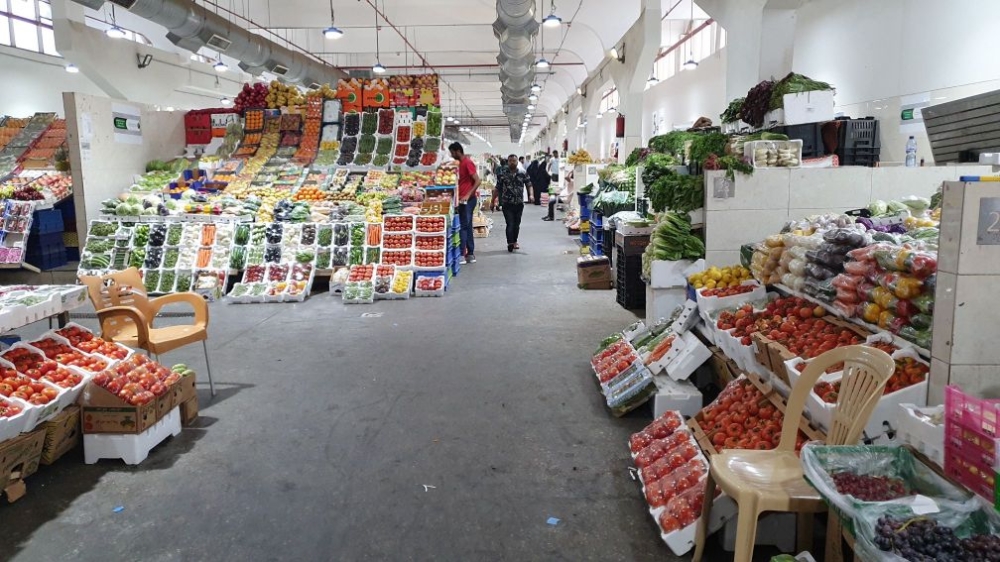
During the month of Ramadan, the Ministry of Environment, Water and Agriculture has intensified its efforts in the Eastern Region to ensure a wide availability of fresh, local vegetables in markets, with the aim of supporting the health of those fasting and maintaining price stability. The Ministry confirmed that over dozens of varieties are subject to strict quality standards to protect consumers.
Local agricultural products are particularly important on Ramadan tables, due to their fiber, vitamins, and minerals which replenish what the body loses during fasting, and contribute to hydration and combating thirst.
The Ministry’s branch in the Eastern Region stated that all products undergo rigorous monitoring, starting with the selection of improved seeds, through modern irrigation techniques, to safe packaging and handling. The Deputy Director General of the branch, Engineer Saleh Al-Ghamdi, explained that these measures ensure the delivery of safe, high-quality food products to millions of consumers, stressing the importance of diversifying consumption between leafy, root, and fruit vegetables, with the necessity of washing them thoroughly and storing them at appropriate temperatures.
Al-Ghamdi added that vegetables are a fundamental pillar of a healthy diet during Ramadan, and that moderation in consumption and reliance on local products supports the national economy and enhances quality of life.
The importance of vegetables lies in their ability to improve digestion and prevent constipation thanks to their high fiber content, in addition to containing essential vitamins such as Vitamin C, Vitamin A, and the Vitamin B complex, as well as minerals necessary to boost immunity and compensate for deficiencies during fasting hours. Water-rich vegetables like cucumbers and lettuce also help hydrate the body and reduce the feeling of thirst.
National farms produce dozens of vital varieties throughout the year, such as tomatoes, cucumbers, potatoes, and leafy greens, which enhances food security and supports the economy. The Director of Agricultural Affairs, Engineer Waleed Al-Shuwairid, indicated that the Ministry is making significant efforts to support supply chains and market crops, ensuring their availability in markets and meeting the increasing demand during Ramadan.
Al-Shuwairid added that government investments in modern agricultural technologies and greenhouses have led to a noticeable stability in annual production volume, which positively impacts price stability. He explained that the Kingdom produces a variety of fruits and vegetables throughout the year, including tomatoes, cucumbers, potatoes, onions, garlic, carrots, zucchini, eggplant, peppers, lettuce, cabbage, cauliflower, spinach, parsley, and cilantro, in addition to green legumes such as beans and peas.
Al-Shuwairid affirmed that the Ministry supports farmers through guidance programs and agricultural initiatives, and by facilitating supply chains and marketing, to ensure an abundance of supply in markets, especially during the month of Ramadan, and that supporting modern agricultural technologies and greenhouses contributes to stable production and affordable prices for all.
جدة 24 ، موقع إخباري شامل يهتم بتقديم خدمة صحفية متميزة للقارئ، وهدفنا أن نصل لقرائنا الأعزاء بالخبر الأدق والأسرع والحصري بما يليق بقواعد وقيم الأسرة السعودية، لذلك نقدم لكم مجموعة كبيرة من الأخبار المتنوعة داخل الأقسام التالية، الأخبار العالمية و المحلية، الاقتصاد، تكنولوجيا ، فن، أخبار الرياضة، منوعات و سياحة.