Saudi Arabia Sets New Regulations for the Coffee of the Future: Details of Import and Trading Requirements for Seedlings.
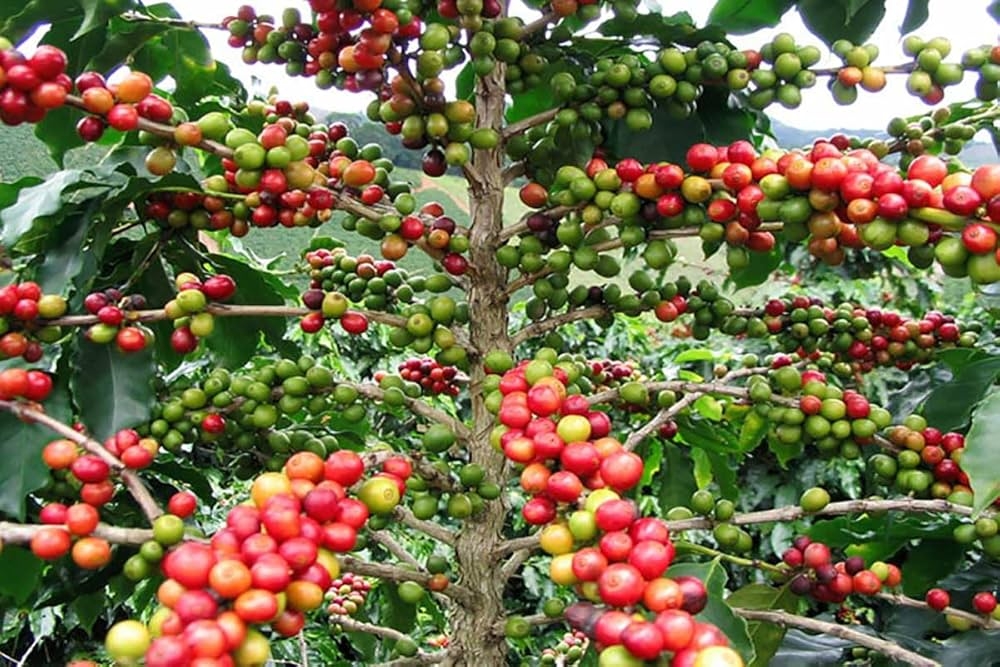
The National Center for the Prevention and Control of Plant Pests and Animal Diseases has approved a comprehensive set of regulations governing the import and marketing of coffee seedlings in the Kingdom. This aims to enhance plant health and ensure the availability of pest- and disease-free seedlings, in accordance with local and international environmental and agricultural standards.
Import regulations include requiring importers to obtain licenses, adhere to the requirements outlined in the Gulf Seed, Seedling, and Seedling Regulations, and submit detailed invoices specifying the scientific characteristics of the plants to be imported, with a separate application for each source country indicating quantities and varieties. The import of genetically modified seedlings is prohibited, and the Center reserves the right to suspend permits if disease outbreaks occur in the country of origin.
Before import, certificates of origin and phytosanitary health are required, along with accreditation of exporting nurseries by competent authorities. Detailed documentation on production and propagation processes must be provided, in addition to data sheets for each seedling including its production path, grafting date, and batch number. Importing seedlings from areas infected with *Xylella fastidiosa* bacteria is prohibited, and a laboratory examination must be conducted 15 days prior to shipment, with seedlings needing to be treated with pesticides and insect traps during transport.
Upon arrival at ports of entry, documents will be inspected and the shipment's identity verified. Samples will be drawn for analysis to detect pests and diseases, including *Xylella fastidiosa*, nematodes, fungal diseases, and transmitting insects. Growth media must be sterile and free from pathogens, with continuous monitoring to ensure seedlings are free from bacterial vectors. Shipments will be subject to further inspections in quarantine before release.
After entry, samples representing 95% of the shipment will be inspected to confirm their health, with the status of seedlings monitored for two years. Use of the seedlings for propagation will be prohibited during this period, and any infected seedlings will be disposed of according to regulatory procedures.
The Center also regulates the production of seedlings within farms, including selecting locations away from threatened areas, using sound soil and water, obtaining approval from the Ministry of Environment, Water and Agriculture – Wafaa Center, continuously monitoring fields, and registering mother field stock.
The regulatory framework covers all stages of production and trade, from examining seeds and seedlings, through laboratory analysis, to monitoring at the point of sale and follow-up in farms. This is carried out in cooperation between Wafaa Center, the Seed and Seedling Center, and the General Administration of Plant Wealth, and involves issuing transfer certificates after confirming the seedlings are healthy.
جدة 24 ، موقع إخباري شامل يهتم بتقديم خدمة صحفية متميزة للقارئ، وهدفنا أن نصل لقرائنا الأعزاء بالخبر الأدق والأسرع والحصري بما يليق بقواعد وقيم الأسرة السعودية، لذلك نقدم لكم مجموعة كبيرة من الأخبار المتنوعة داخل الأقسام التالية، الأخبار العالمية و المحلية، الاقتصاد، تكنولوجيا ، فن، أخبار الرياضة، منوعات و سياحة.